

First-Home Floor Plans That Actually Work

Today we dive into Floor Plan First Home Makeovers, exploring how smart layout choices transform modest beginnings into comfortable, flexible spaces. We’ll decode flow, storage, and light, share hard-won lessons from real renovations, and offer practical steps you can apply this weekend. Share your plan quirks, ask questions, and subscribe to keep learning tactics that save money while unlocking everyday comfort.

Start with What You Have: Reading the Layout

Before you swing a hammer, understand the story your current plan tells. Measure wall-to-wall, note ceiling heights, record window sizes, and sketch traffic paths you walk daily. Identify pinch points, dark corners, and underused zones that quietly waste square footage. This gentle detective work prevents costly mistakes, reveals surprising opportunities, and creates a clear baseline for every choice that follows. Share your sketches for feedback and fresh ideas.

Measure, Map, and Mark Constraints

Create a scaled drawing using graph paper or a simple app, capturing room dimensions, door swings, radiators, vents, and outlets. Mark structural columns and any bulkheads or soffits that limit ceiling continuity. Real constraints guide creative solutions, ensuring furnishings fit, pathways remain clear, and storage lands where daily routines actually happen. Post your measurements and we’ll help spot misalignments or hidden potential others often overlook.

Traffic, Sightlines, and Zone Clarity

Trace how you move from entry to kitchen, couch, desk, and bed, noticing where pathways collide with furniture corners or awkward doorways. Sightlines between key zones influence calm and convenience, especially in small homes where one room must play many roles. Clarify zones by aligning circulation around them, not through them. Share photos of your busiest intersections and we’ll brainstorm subtle shifts that ease every step.

Light, Ventilation, and Noise Patterns

Map daylight from morning to evening, plus cross-breezes and persistent hot or cold spots. Sound travels along openings and hard surfaces, so note echoes, appliance hum, and street noise. These patterns inform where to position quiet workspaces, place soft finishes, and protect sleep. Many first homes feel dramatically better by honoring light and air before any demolition. Comment with your biggest comfort challenge and we’ll prioritize fixes.

Prioritize High-Impact Adjustments

Reversing a door swing, sliding a wardrobe, or unifying mismatched rugs can transform flow without touching a wall. Lighting swaps, curtain strategies, and closet systems often outperform expensive built-ins early on. Pick three changes that solve the biggest daily annoyance, then reassess after two weeks. Share your top frustrations and we’ll match them with targeted steps that build confidence and momentum before committing to heavier renovations.

Phase Projects Without Losing the Big Picture

Sketch the end-state plan first, then divide it into logical phases that respect budget, seasons, and life events. Early phases should enable later ones, preserving materials and avoiding rework. Temporary solutions—like modular shelves or rolling islands—can bridge phases gracefully. Keep a simple decision log to track choices. Post your planned sequence and we’ll help spot dependencies, saving weekends and preventing surprises that derail progress and morale.

Cost, Value, and Resale Reality

Spending should reflect both personal comfort and future buyers’ priorities. Improving entry flow, adding storage, and modernizing kitchen circulation typically return value. Partial open-concept moves can be smarter than full wall removal, preserving acoustic control. Track expenses by category and compare against local comps. If you share city and home type, we’ll offer region-aware insights that balance daily joy with long-term equity, protecting your investment thoughtfully.

Walls, Doors, and the Structure You Can’t Ignore

Not every wall wants to leave. Some carry loads, hide plumbing stacks, or stabilize floors. Respecting structure avoids hidden costs and keeps timelines honest. Learn to read joist direction, identify load paths, and evaluate what openings are feasible. Even non-structural changes affect fire safety, smoke detection, and egress. When in doubt, consult a pro early. Share photos of suspect walls, and we’ll guide the right questions to ask.

Load-Bearing Basics Without the Jargon

Look for stacked walls, beams in basements or attics, and joists perpendicular to interior partitions. Openings may be possible with engineered headers, but adjacent finishes, ducts, and wiring add complexity. Sometimes a wider cased opening beats a full removal. Start with exploration holes and careful documentation. If you upload a few structural clues, we can help you frame a clear conversation with an engineer before paying consultation fees.

Door Swings, Clearances, and Circulation Math

Hinges control choreography. A single reversed swing can free a corridor, quiet a bedroom, or protect a kitchen from collisions. Respect clearances around appliances, table edges, and stair landings. Pocket and barn doors save space but change privacy and acoustics. Mock movements with painter’s tape and cardboard to test the plan. Share a short video of your daily route, and we’ll propose swing and clearance refinements immediately.

Permits, Safety, and When to Call an Expert

Moving walls, altering egress, or shifting plumbing usually triggers permits. Inspections protect you and future buyers, and insurance may require them. Fire separation, smoke alarms, and stair geometry matter more than style. Pros can assess code issues in minutes that DIYers miss. Post your city and intended changes; we’ll outline typical requirements and suggest which diagrams, photos, and measurements distinguish prepared homeowners from procrastination and costly rework.

Flex Rooms That Do Double Duty Daily

A living room can host workouts, movie nights, and guest sleepovers if traffic routes bypass the sofa center. Murphy beds, daybeds with drawers, and collapsible tables preserve circulation. Place outlets where tasks happen to avoid cable chaos. Use dimmers to switch modes gracefully. Upload your room dimensions and we’ll suggest layouts that flip functions quickly while maintaining cozy proportions and respectful personal boundaries for shared households.

Built-Ins, Niches, and Vertical Storage Tactics

Shallow built-ins between studs, window seats with drawers, and ceiling-height cabinets harvest neglected inches. Corner shelving reduces dead zones while keeping floor space open. Entry walls can hide shoe pull-outs and coat niches behind a calm facade. Measure everyday items to size compartments honestly. Share clutter categories—books, gear, pantry—and we’ll map custom heights and depths that look intentional and keep routines frictionless in tight footprints.

Kitchen–Living Synergy for Everyday Life

The heart of first homes beats where cooking meets relaxing. Align prep zones with clear paths to dining and sofa seating, balancing conversation with safety. Right-sized islands manage storage, social perches, and efficient circulation. Ventilation, lighting layers, and acoustic rugs make open areas feel intentional, not chaotic. Share how you cook and host, and we’ll tailor configurations that support your rituals without overwhelming precious square meters.

Work Triangle Meets Conversation Circle

Preserve efficient reach between sink, stove, and fridge while adding a perch for guests out of splash zones. Use a peninsula or half-height shelf to define edges without severing social connection. Keep cleanup and trash near exit paths to shorten post-meal tasks. If you describe your cooking style, we’ll shuffle triangle points and seating so friends chat comfortably while you move safely and swiftly through preparations.

Islands, Peninsulas, and Pathways That Breathe

An island is useful only if aisles remain generous. Aim for comfortable clearance so drawers open and people pass without awkward turns. Peninsulas can replace islands in narrow rooms, adding storage and casual dining. Consider rounded corners and task lighting to soften edges. Upload your kitchen width and we’ll simulate pathway options that keep kids, pets, and cooks happily coordinated instead of bumping elbows every evening.

Contain Chaos: Acoustics, Odors, and Visual Calm

Open layouts benefit from targeted controls. A strong, quiet range hood tames scents; soft textiles and acoustic panels reduce clatter; closed storage hides visual noise. Partial-height dividers and glass sliders protect focus without severing light. Curate sightlines so counters, not clutter, greet you. Share your biggest annoyance—noise, smells, or mess—and we’ll craft a layered response that preserves openness yet restores a peaceful, welcoming daily rhythm.

Light, Materials, and the Psychology of Space

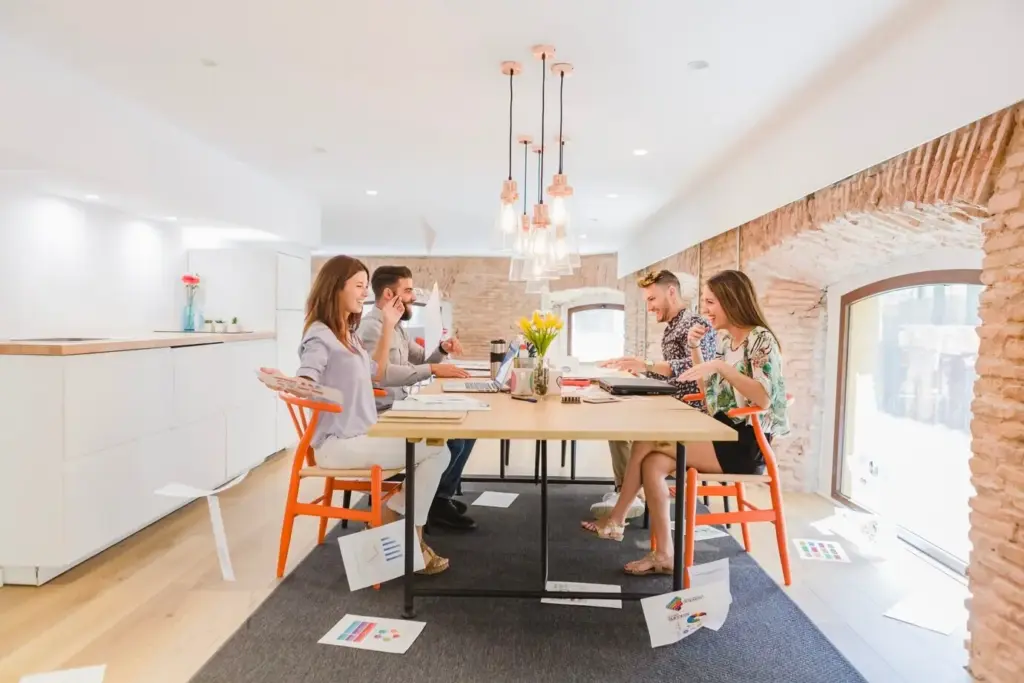
Perception is a tool. Continuous flooring elongates sightlines, while color temperature and beam spread shape mood and clarity. Reflective surfaces amplify daylight; textured finishes quiet glare. Material transitions can signal zones more gently than walls. Calibrate brightness for tasks and cozy dimness for recovery. Post photos at different hours, and we’ll tune materials and lighting so your first home feels larger, calmer, and beautifully intentional.

The 38-Square-Meter Studio That Found a Bedroom

A renter-turned-owner used a sliding bookshelf wall to carve a sleeping nook, preserving daylight by stopping short of the window. A folding table attached to the bookshelf became a desk by day, dining ledge by night. The change required no structural work and halved visible clutter. Post your studio layout and we’ll suggest movable boundaries that achieve privacy without sacrificing precious openness or cross-breezes.

A Narrow Semi-Detached Finally Feels Connected

In a long, skinny home, we replaced a chaotic hallway with aligned openings that direct sight from entry to garden. A simple cased arch framed the view while keeping sound control. Kitchen storage migrated upward, freeing floor space for a small banquette. The family reports smoother mornings and calmer dinners. Share your corridor width and window positions; we’ll map alignments that expand perceived depth immediately.
Lekefifevekavevimeme
Privacy Overview

This website uses cookies so that we can provide you with the best user experience possible. Cookie information is stored in your browser and performs functions such as recognising you when you return to our website and helping our team to understand which sections of the website you find most interesting and useful.