Finding Flow and Quiet in Your First Home
Today we explore open‑concept vs zoned layouts for starter homes, translating trends into practical choices you can live with. We’ll weigh light, noise, costs, flexibility, resale, and safety, while sharing real‑life stories and steps you can try before committing.
Space That Works Harder
Starter homes demand rooms that multitask without feeling cramped. Open‑concept promises bigger sightlines and easier flow, while zoned layouts protect purposeful corners for focus, storage, or sleep. We’ll compare how furniture placement, traffic patterns, and doorways change daily rhythms, and how small design tweaks preserve charm without sacrificing flexibility or sanity.
Daily Life Scenarios
Picture cooking pasta while supervising algebra, welcoming a courier, and keeping a toddler within sight. Open‑concept can simplify watchfulness but amplifies clatter and clutter. Zoned layouts tame interruptions with doors yet add footsteps between tasks. Understanding your busiest fifteen minutes each day reveals which compromises genuinely help rather than frustrate.
Furniture and Storage Moves
Modular shelving on casters, drop‑leaf tables, and a sofa that floats can make open areas adaptable, but they demand disciplined cable routing and visual order. Zoned rooms invite taller storage, deeper closets, and wall‑anchored desks, trading quick reconfiguration for calmer edges that hide gear, toys, and ongoing projects.
Light and Air
Large spans share daylight and breezes across cooking, lounging, and entry zones, but they also transmit glare and kitchen odors. Partitioned spaces let you tune brightness and scent room by room, using transoms, glass pocket doors, and transfer grilles to keep openness where it’s needed without losing control.
Acoustics, Privacy, and Well‑Being
Noise travels differently when walls come down. Open rooms let conversations, game consoles, and blender motors roam freely, which can energize gatherings yet erode focus. Zoned arrangements buffer naps, calls, and study time. We’ll weigh materials, layouts, and habits that protect health, reduce stress, and keep relationships kinder.
Sound Control Strategies
Layer softness where it matters: rugs, curtains, books, and upholstered panels absorb chatter in open rooms, while door sweeps, solid‑core slabs, and acoustic seals strengthen zoned spaces. Consider white‑noise machines and staggered drywall for bedrooms, and test speaker placement before buying gear that fights the space instead of helping.
Focus and Rest
Open sightlines keep you connected but can nudge multitasking into overdrive, raising cortisol and stealing sleep. Separate rooms offer psychological cues for switching off. Use dimmers, layered lamps, and door policies to signal transitions, protecting deep work, restful evenings, and the personal rituals that make tiny homes feel nurturing.
Entertaining Without Exhaustion
Hosts in expansive spaces move easily among guests, but cleanup and noise compete with conversation. Zoned dining tucks messes out of sight and curates mood with doors or sliders. Choose serving stations, durable surfaces, and lighting scenes so gatherings feel generous while your household still winds down smoothly afterward.
Cooking, Odors, and Safety
Kitchens anchor many memories and most messes. In open settings, aromas, oil, and steam reach upholstery quickly; in compartmentalized plans, doors limit spread but can trap heat. We’ll look at ventilation sizing, fire planning, and cleaning strategies so everyday meals feel welcoming, efficient, and safe for small households.


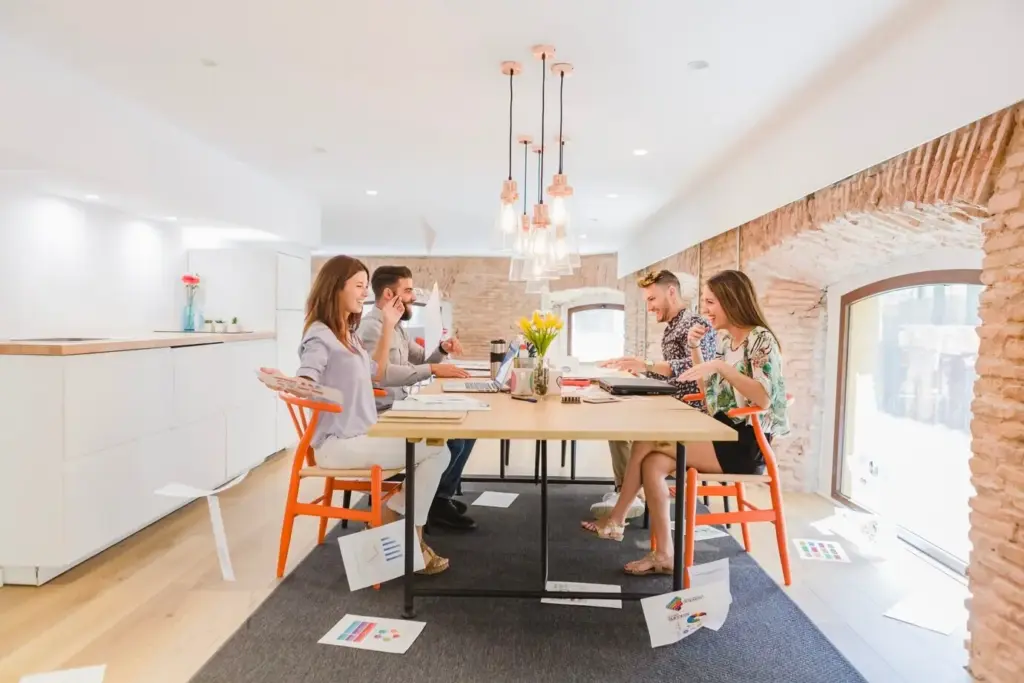


Energy, Comfort, and Utilities
Conditioning air in one big volume can mean uneven temperatures and higher bills, yet it also lets ceiling fans and daylight work broadly. Defined rooms make zoning simple with valves, vents, or smart thermostats. We’ll map strategies that tame drafts, prevent stratification, and stretch small utility budgets through seasons.

What Costs More—and When
Spanning a living‑dining gap may demand a flush beam, patching floors, and reworking ducts; price swings depend on spans and finishes. Building a quiet office might be cheaper now, especially if doors, lighting, and outlets align with eventual resale as a legal bedroom later.

Phased Upgrades You Can Tackle
Try a half‑height partition, sliding panels, or freestanding shelves before hiring structural help. In the reverse direction, remove a non‑load‑bearing wall after mapping switches and vents. Paint, lighting layers, and rugs deliver huge clarity either way while you save for cabinetry, beams, or exterior doors that finish the vision.

Appeal to Future Buyers
Tastes change with trends and life stages. Some shoppers crave sweeping kitchens; others want a door to close for naps or hobbies. Aim for reversible choices, tidy storage, and consistent flooring, and share a simple diagram during showings so buyers instantly understand how easily the space adapts.
Case Studies and First Steps
Stories make decisions tangible. We’ll follow two starter‑home households as they experiment, measuring noise, light, and routines over a week. Their insights become a checklist you can borrow, plus a gentle nudge to comment, subscribe, and tell us what trade‑offs you’re considering before you renovate or rearrange.
A Compact Bungalow Finds Balance
One pair of nurses loved cooking together yet needed sleep after night shifts. They installed a hip‑height peninsula and added glass sliders to a tiny den, keeping sightlines for dinner while carving a quiet nook. The result protected rest, welcomed friends, and avoided structural work their budget could not handle.
Renter-to-Owner Kitchen Victory
A first‑time buyer inherited a closed galley with dated vinyl. Instead of knocking everything down, she swapped to a counter‑depth fridge, rolled in an island on casters, and hung ceiling‑track curtains. She tested openness during parties, then parked the island to regain separation for study nights and early breakfasts.

All Rights Reserved.