Designing Spaces That Move: First Renovation Secrets of Flow

Today we dive into circulation and flow principles for first-time home renovations, translating abstract ideas into practical steps you can sketch, tape on floors, and build with confidence. Expect clear examples, empathetic guidance, and lived-in stories that help you avoid costly detours while crafting rooms that breathe, connect, and work intuitively. If you are planning your first redesign, this journey will shape hallways, door swings, and daily routines so your home welcomes every step naturally.

Why Movement Shapes Comfort More Than Finishes

Shiny materials are exciting, yet the way people move through rooms determines whether a renovation truly feels right. Circulation clarifies entrances, reduces awkward pauses, and creates a calm rhythm between tasks. When pathways are generous, decisions become obvious, morning routines shorten, and guests intuitively find their way without constant directions. By focusing early on connections—entry to living, kitchen to dining, bedroom to bath—you build a house that behaves kindly, regardless of style, budget, or square footage.

From Front Door to Everyday Heart

Trace the experience from threshold to the first place you set a bag, kick off shoes, or greet a loved one. A considered path reduces clutter, organizes keys and coats, and signals what the home values: warmth, ease, and orientation. When that first sequence flows, the rest of the house becomes easier to navigate, because every subsequent decision aligns with that welcoming, straightforward arrival that starts each day on steady footing.

Eliminating Pinch Points and Dead Ends

Bottlenecks strain families and frustrate guests. Consider door clearances, furniture depths, and turning radiuses where circulation changes direction. Even small adjustments—shifting a doorway, trimming a cabinet, widening a passage—can unlock effortless movement. Replace dead ends with purposeful niches, views, or storage so every step feels invited, not trapped. The reward is subtle but constant: fewer sidesteps, fewer apologies, and a home that quietly supports life’s unplanned choreography.

First-Timer Wins and Avoidable Missteps

Beginners often jump to fixtures and paint before understanding routes. Start with simple sketches and floor tape to test daily patterns, like carrying laundry, serving meals, or hosting friends. Notice collisions, awkward pauses, and repetitive backtracking. Correct those early, and you protect both wallet and patience later. A little curiosity at the layout stage saves weeks of revisions, helping you invest in changes that genuinely elevate comfort instead of masking deeper movement issues.

Mapping Paths: Adjacencies, Zones, and Useful Sightlines

Great flow begins on paper with adjacency diagrams and simple bubbles showing relationships: quiet to quiet, messy to easy-clean, social to kitchen. Sightlines guide attention toward windows, art, or greenery, while zones protect privacy and reduce noise bleed. By sequencing functions—arrival, prep, gathering, retreat—you choreograph a day that feels coherent, even when rooms are compact. The result is clarity in how spaces support one another, letting light, people, and tasks move without friction.

Zones That Match Real Routines

Group related activities to shorten trips and simplify cleanups. Keep a mudroom near the entry, laundry near bedrooms or baths, and snacks close to both kitchen and family space. Rather than rigid rules, let habits inform proximity: where backpacks drop, where pets eat, where glasses belong. Every adjacency you get right transforms chores into glide paths, capturing minutes each day that accumulate into a calmer, more predictable, and kinder home rhythm over time.

Sightlines That Encourage Calm and Connection

Aim eyes toward something meaningful: a tree, a bookcase, a long corridor that promises light at the end. Sightlines act like narrative threads, subtly encouraging movement and reducing hesitation. Align doors and openings to create gentle visual pulls, while using partial walls, screens, or plants to soften views where privacy matters. Good sightlines are not only pretty; they function as intuitive maps, letting people orient quickly without constant instructions or signage.

Doors, Swings, and Clever Clearances

Hinges decide choreography. Choose swing directions that protect main routes, avoid clashing leaves, and open toward the less busy zone of each room. Pocket or barn doors can reclaim tight areas, yet still require wall space for structure and wiring. Maintain comfortable passage widths and turning space at corners. These micro-decisions, often overlooked, remove friction from daily life, preventing shoulder brushes, tray snags, and midnight stumbles that steal energy and erode comfort.

Kitchens, Baths, and Service Runs That Support Movement

{{SECTION_SUBTITLE}}
Beyond the Classic Work Triangle

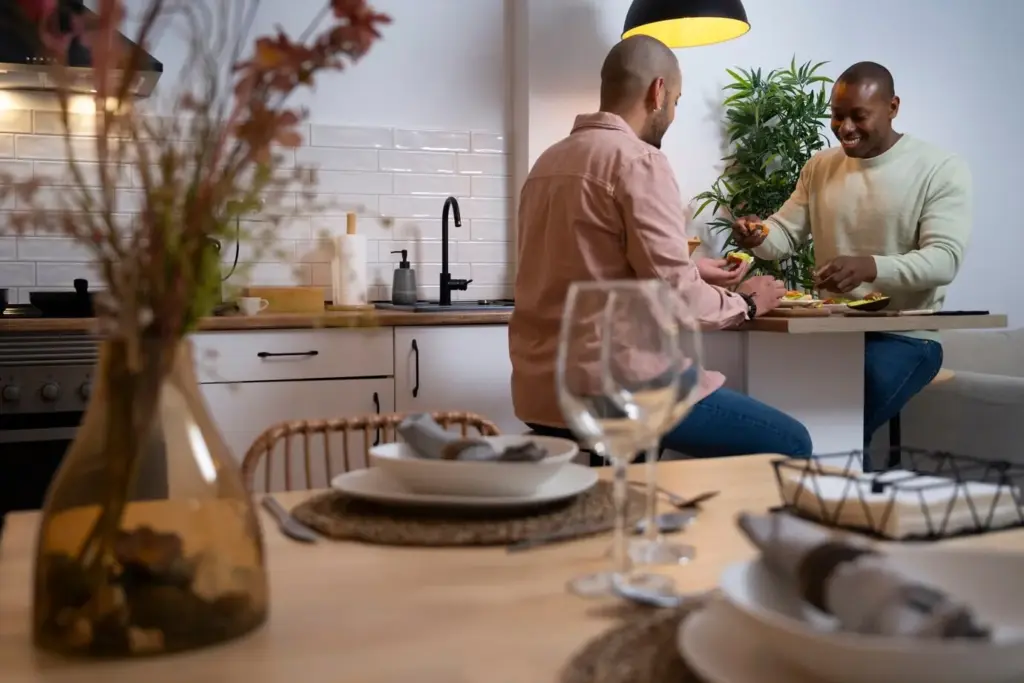
Modern kitchens juggle prep, cooking, cleanup, coffee, and snacks simultaneously. Complement triangle thinking with zones and clear landing spaces near appliances. Keep aisles wide enough for two people to pass without twisting. Establish a safe, direct path from entry to fridge for quick drops. Thoughtful flow reduces cross-traffic, minimizes spills, and turns shared cooking into cooperation rather than choreography that constantly collides and interrupts momentum, especially during busy school-night routines.

Bathroom Flow Without Morning Gridlock

Separate sinks from shower and toilet whenever possible, letting multiple tasks happen at once. Bias door swings away from vanities and towel hooks, and reserve turning room for rushing mornings. Use niches, shelves, and lighting to keep counters clear and movements predictable. When you balance circulation with storage and moisture control, mornings stop feeling like hallway negotiations and start behaving like coordinated sequences, where everyone can finish quickly without stepping around someone else’s routine.

Air, Light, and Sound: Invisible Currents That Shape Experience

Circulation is not just footsteps. Air wants clean paths from supplies to returns, light prefers layered routes without glare, and sound travels surprisingly far unless you tame it. By aligning openings with airflow, positioning windows for cross-ventilation, and softening echo with textiles, you support comfort without constant mechanical intervention. Invisible flows steer moods and behaviors, making rooms feel alive during the day and restful at night, even before you add a single decorative flourish.

Daylight Pathways Without Harsh Glare

Balance window size with orientation and task needs. Borrow light through interior glass or clerestories to brighten deeper rooms while preserving privacy. Use shelves, overhangs, and matte finishes to diffuse hot spots that cause squinting. Daylight that slips pleasantly from space to space becomes an unspoken guide, pulling people forward while keeping edges legible. When light flows well, even modest homes gain a sense of volume, calm, and gentle, uplifting progression throughout the day.

Ventilation That Follows Daily Life

Place fresh air where people gather, and give it a clear path out of moisture-heavy zones like kitchens and baths. Avoid blocking returns with tall furniture or overstuffed closets. Quiet fans, sealed ducts, and thoughtful makeup air keep smells from lingering and improve sleep. When air moves predictably, windows become allies rather than band-aids, and you feel refreshed after cooking, showering, and working, without drafts, stale corners, or humming equipment overwhelming conversation.

Acoustic Flow That Reduces Stress

Sound migrates along hard surfaces and straight corridors. Add rugs, curtains, bookshelves, and soft panels to break up reflections. Stagger doorways between quiet and lively rooms, and consider solid-core doors where privacy matters. Tame appliance noise with isolation pads and careful placement. The payoff is subtle: fewer raised voices, clearer calls from another room, and evenings that wind down smoothly. Acoustic flow protects focus and rest, silently shaping how your home supports well-being.

Stairs, Hallways, and Vertical Connections That Invite Use
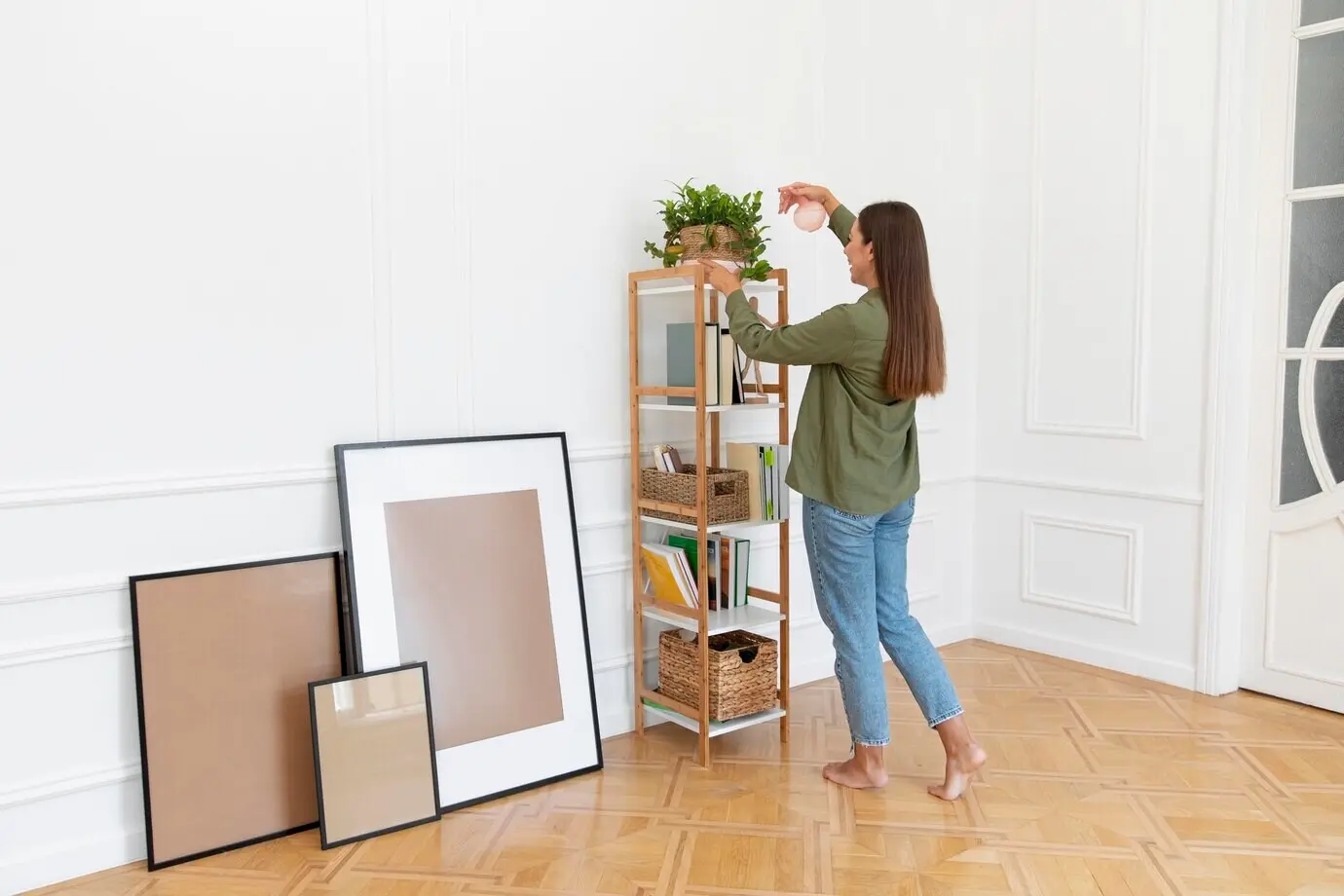
Transitions between levels often define whether families actually use upper floors, basements, or mezzanines. Comfortable risers, consistent treads, and forgiving headroom build trust with every step. Hallways that are just a touch wider, illuminated thoughtfully, and punctuated by storage or views transform from wasted space into active connectors. When these routes feel secure and meaningful, kids read by a stair window, guests find rooms independently, and everyone chooses stairs willingly instead of avoiding them.

Phasing, Budget, and Clear Communication for First Projects

Sketches, Tape, and Real-World Mockups

Nothing beats walking taped lines on the floor. Simulate furniture, door swings, and landing spaces with cardboard. Try carrying a laundry basket or serving snacks through the pretend path. You will discover sneaky collisions before they become carpentry. Invite family or a friend to test the layout and give plainspoken feedback. Those early minutes produce more clarity than any rendering, turning theory into a felt experience that confidently guides final decisions.

Scheduling Work to Keep Life Moving

Phase demolition and deliveries to maintain one clean route through the house. Temporary kitchens, zip walls, and labeled bins keep routines alive while the plan evolves. Share a weekly calendar with your contractor so surprises become manageable pivots instead of panicked delays. When circulation for daily living is respected throughout construction, stress drops dramatically, and both workers and residents move efficiently, avoiding misunderstandings that cost time, money, and goodwill on site.

Team Alignment and Feedback Loops

Hold short, regular walkthroughs with your builder, designer, and key trades. Stand where doors will swing, trace pathways with your hands, and confirm clearances before framing locks locations. Encourage respectful pushback and capture decisions immediately in messages and marked-up plans. These loops protect flow when field realities challenge drawings. Over-communicating movement details turns everyone into a guardian of comfort, delivering a finished home that works as elegantly as it looks every single day.

Case Stories, Lessons Learned, and Your Next Step

Real homes teach better than diagrams. Stories reveal the small circulation tweaks that changed everything: a shifted doorway, a trimmed island, a window placed for morning light. Mistakes also educate, reminding us to test assumptions with tape and time. As you plan, collect feedback from those who use the spaces daily. Invite questions, share sketches, and celebrate modest wins that compound. Flow is a practice, refined by curiosity, conversation, and honest, iterative observation.

A Narrow Rowhouse That Finally Breathed

In a tight rowhouse, moving a hallway door just twenty inches aligned sightlines to a courtyard tree and unlocked cross-ventilation. A pocket door replaced a swinging one, widening the turning radius near the stairs. The family stopped bumping shoulders, and dinners moved naturally from kitchen to terrace. That small change redirected how light, air, and people traveled, proving that thoughtful circulation can feel like adding square footage without touching the building envelope or budget.

The Island That Blocked Everything

A beautiful island became a daily obstacle course because clearances were misjudged. Serving plates pinched, fridge doors clipped, and kids squeezed behind stools to reach the sink. The fix was humble: reduce depth, shift seating, add a landing spot by the oven. Suddenly the kitchen hosted teamwork instead of collisions. The lesson is forgiving and actionable—measure real movements, not just dimensions—so your favorite features support flow rather than quietly sabotaging it.

Your Plans, Your Questions, Our Community

Share a quick phone snapshot of your sketch, a taped outline on the floor, or a short video of how you move through the space now. Ask about door directions, aisle widths, or where to place a window seat. We will respond with practical, compassionate suggestions grounded in circulation and flow principles for first-time home renovations. Subscribe for deep dives, success stories, and checklists, and join conversations that turn uncertainty into confident, rewarding action.
Lekefifevekavevimeme
Privacy Overview

This website uses cookies so that we can provide you with the best user experience possible. Cookie information is stored in your browser and performs functions such as recognising you when you return to our website and helping our team to understand which sections of the website you find most interesting and useful.