Smart Moves for Tiny Floor Plans That Live Large

Today we’re exploring small-space floor plan hacks for compact first homes, turning tight corners into functional comforts with clever circulation, multi-use furniture, and light-savvy tricks. Expect practical sketches-in-words, honest lessons from cramped apartments, and quick wins you can apply this weekend. Share your biggest layout challenge in the comments, and subscribe to follow along as we test, refine, and celebrate spaces that punch far above their square footage.

The 90‑Centimeter Rule

Aim for about ninety centimeters—roughly thirty-six inches—of clear passage where people regularly pass, especially between kitchen counters, around dining tables, and at entry transitions. If space pinches, vary width strategically, tuck chair legs under tables, and choose benches over bulky armchairs. Share your tightest bottleneck in the comments, and we’ll crowdsource alternatives that keep feet moving, elbows safe, and family patience intact during busy mornings and late-night snack runs.

Pocket and Sliding Doors

Swing arcs steal precious area. Replace bathroom, closet, and laundry doors with pocket or surface sliders to reclaim clearance for storage or circulation. Mind soft closers and floor guides for stability, add acoustic seals where privacy matters, and paint tracks to disappear. Post a photo of your toughest door conflict, and we’ll brainstorm sliding solutions together, from barn-style rails to concealed kits that integrate neatly with minimalist trim details.

Gentle Corners, Smoother Turns

Hard ninety-degree edges snag hips and bags. Curved countertops, bullnose shelves, and round café tables ease turning radii and visually calm tight corners. In hallways, clip corners on cabinetry, chamfer shelf edges, and mount art flush. Small curves invite faster, safer movement without sacrificing style, especially when children and pets keep routes unpredictable. Test a paper template for radius before committing, and notice how the room suddenly breathes with kinder geometry.

Rooms That Do Double Duty

One room can perform like two or three with clear zoning and furniture that transforms on command. Define functions with rugs, lighting layers, and storage walls that serve both sides. In my first rental, a fold-out table anchored workdays and folded flat for dinners with friends. Think like a stage manager: quick changes, hidden props, and lighting cues. Share your favorite transformation trick and inspire another reader to reclaim a corner today.

Rise Up: Vertical Storage Without the Clutter

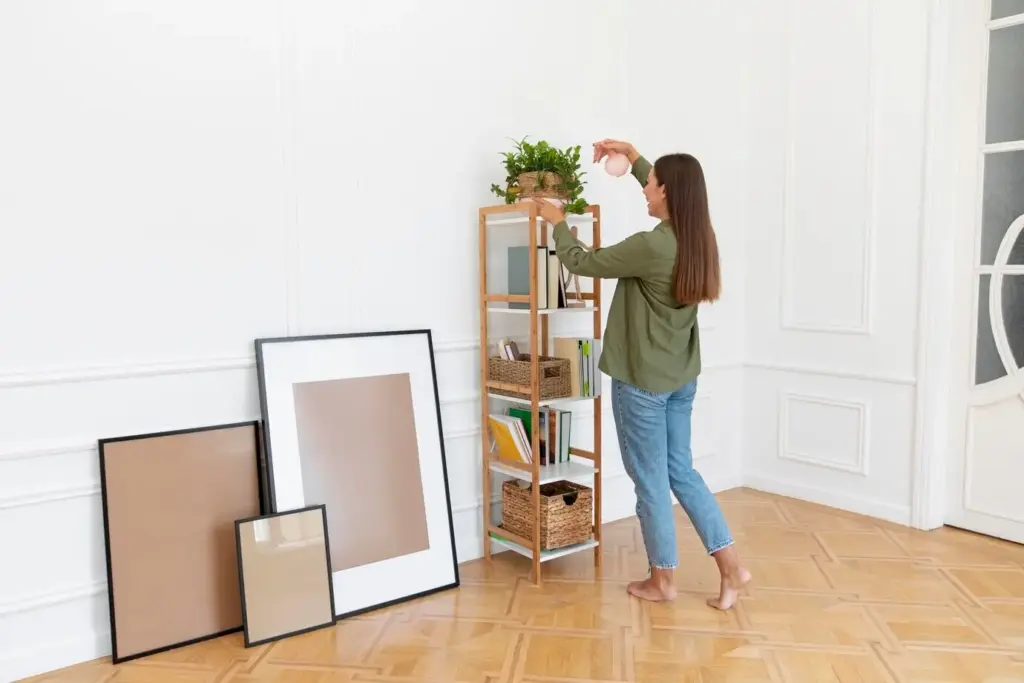
When floor space is scarce, height becomes your quiet ally. Build upward thoughtfully and leave breathing room at eye level to avoid that boxed-in feeling. In a micro studio I once lined a wall to the ceiling, leaving a low, continuous shelf for art and plants, which softened the mass. Balance open and closed sections, respect window sightlines, and keep a safe ladder nearby. Share a photo of your tallest wall, and we’ll sketch ideas together.

Ceiling-Height Built-Ins

Stretch storage to the ceiling to capture seldom-used items up top and daily essentials between shoulder and hip height. Add a slim rail ladder or a foldable step stool stored in a toe-kick. Use deeper lower bays for bulky items and keep upper doors lighter to reduce hinge stress. Crown with a small light cove to reduce heaviness. Post your ceiling height, and we’ll calculate shelf intervals that keep proportions elegant and functional.

Loft Platforms Over Circulation

If your ceiling allows, carve a loft over hallways or entries where you never stand tall anyway. Keep structure slim with engineered lumber or steel angles, and guard the edge with an airy screen for safety and style. Use the underloft for a desk or wardrobe, and run concealed lighting along beams. Share a rough plan, and we’ll discuss clearances, ladder pitch, and how to keep ventilation smooth so lofted sleeping never feels stuffy.

Light, Color, and Illusions That Expand

Light shapes how space feels before a tape measure arrives. Layer ambient, task, and accent lighting to stretch shadows gently and keep corners active. Favor low-contrast palettes that let surfaces melt into one another, then add texture for depth without visual noise. Mirrors amplify daylight when angled toward windows, not just opposite them. Tell us your window orientation, and we’ll suggest bulb temperatures, curtain strategies, and reflective touches that make every square foot feel generous.

Layered Lighting Zones

Pair a soft ceiling wash with dimmable lamps near seating and bright task strips under kitchen cabinets. Put each zone on separate controls so the room morphs from focused to social in seconds. In tiny bedrooms, sconce-mounted reading lights save nightstand space. Share your fixture list and ceiling height, and we’ll help balance lumens, beam angles, and switch locations so your nights feel cozy without sacrificing clarity during work or meal prep.

Color Blocking and Low-Contrast Palettes

Use related tones across walls, trim, and doors to erase hard edges that visually chop space. Reserve richer colors for the lower third to ground furniture while keeping the upper field airy. In small kitchens, continue cabinet color onto adjacent walls to smooth boundaries. Sample paints across daylight hours before deciding. Drop a palette you love in the comments, and we’ll suggest finish sheens and adjacent hues that maintain calm, connected sightlines everywhere.

Mirrors and Reflective Surfaces, Placed Wisely

Mirrors multiply light best when they capture a bright source at an angle, not by facing windows flat. Bounce views of greenery or artwork rather than clutter. In narrow hallways, a vertical mirror lifts proportion; in living rooms, a horizontal mirror widens. Add bronze or smoked finishes to avoid harsh glare. Share your wall dimensions, and we’ll mock placement that flatters circulation, avoids awkward reflections, and builds a gentle rhythm of highlights across the day.

Kitchen and Bath Micro-Mastery

Compact kitchens and bathrooms succeed through honest priorities: clear prep space, logical reach, and easy cleanup. Shrink appliances before shrinking work surfaces, and carve storage into quiet voids like toe-kicks and stud bays. In showers, niches beat bulky caddies. Keep door swings from colliding by using sliders or outward swing where code allows. Post your room dimensions, and we’ll swap layout napkin-sketches, compare clearances, and trade tricks that earn back precious inches without compromises.

Galley Efficiency and the True Work Triangle

A tight galley thrives on continuous counter runs and thoughtful landing zones beside fridge and cooktop. Maintain safe aisle widths, stagger handles to prevent knuckle clashes, and store everyday tools by frequency, not category. A magnetic strip replaces a chunky knife block, while a roll-up dish rack doubles as extra counter. Share your cabinet lengths, and we’ll place triangle points realistically, honoring how you actually cook rather than leaning on abstract diagrams.

Appliance Scale and Integration

Downsize appliances intentionally: a twenty-four-inch dishwasher, counter-depth fridge, or combination microwave-oven can unlock wide, useful drawers. Panel-ready fronts allow cabinetry to read as a calm plane, reducing visual clutter. Ventilation still matters—choose a quiet hood sized to the cooktop. In bathrooms, wall-hung toilets free floor and simplify cleaning. Drop your current appliance list, and we’ll find substitutions that protect function without devouring the few square feet you truly need daily.

Shower Screens, Niches, and Sliding Solutions

Switch from a swinging shower door to a sliding panel or a fixed glass screen to clear circulation. Plan niches between studs to corral bottles at shoulder height, sloped slightly to drain. A linear drain can allow a curbless entry if waterproofing is precise. Show us your plumbing wall layout, and we’ll align valves, shelves, and towels for graceful reach, warm towels, and mornings that start organized rather than scattered and slippery.

Declutter by Design and Daily Habits
Storage works only when habits cooperate. Build landing spots exactly where actions occur, label shelves clearly, and keep containers generous rather than fussy. In my first apartment, a single basket at the door erased shoe trails and weekend frustration. Designate a five-minute nightly reset to return items home, then protect those homes like sacred parking spots. Share your hardest habit loop, and we’ll co-create prompts, zones, and checklists that keep tiny spaces tidy.
Lekefifevekavevimeme
Privacy Overview

This website uses cookies so that we can provide you with the best user experience possible. Cookie information is stored in your browser and performs functions such as recognising you when you return to our website and helping our team to understand which sections of the website you find most interesting and useful.